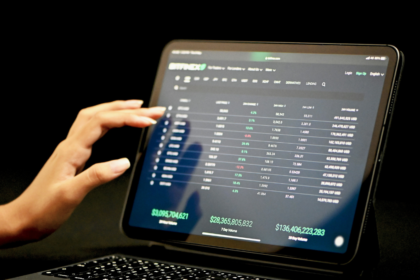
Polymarket and Kalshi, prediction markets where users can bet on outcomes as varied as the Super Bowl and the length of the State of the Union address, have been some of the fastest growing destinations on the internet.
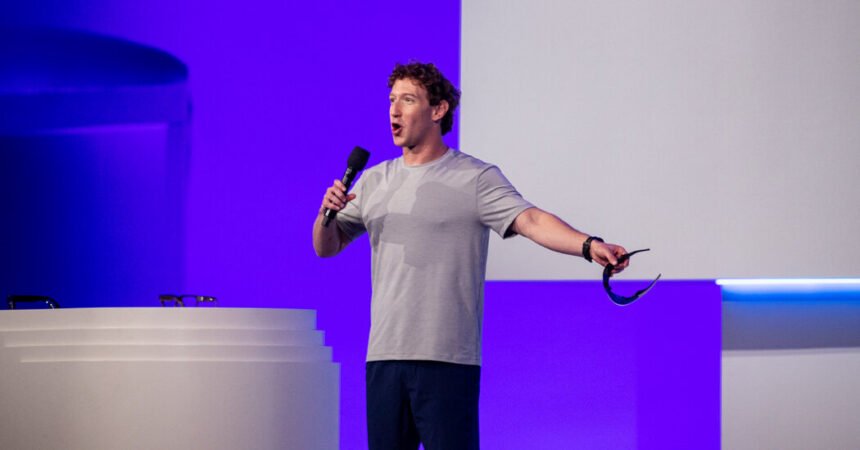
Mark Zuckerberg has noticed — and he wants in on the action.
Mr. Zuckerberg, the chief executive of Meta, recently dispatched a small team at his company to create a smartphone app similar to Polymarket and Kalshi, two employees with knowledge of the matter said. Users would not wager money, and the app would probably rely on a video game-like points system instead, one person said, though the company had not ruled out the eventual use of real money betting.
The app is internally referred to as “Arena” and would function independently from Meta’s social networking apps, which include Facebook, Instagram, WhatsApp and Messenger, said the employees, who spoke on the condition of anonymity to discuss confidential plans. Meta aims to grow the app by leveraging its large social networking audiences and directing them toward using it, they said.
The effort, which insiders characterized as experimental but a top priority, is part of a broader push by Mr. Zuckerberg to create new types of apps based on emerging social behavior online. More than 3.56 billion people visit one or more of Meta’s apps every day, an amount that has raised questions about whether those platforms have reached a saturation point.
Arena is one of a handful of apps that Meta is trying out. Others include one called Meta Photos, another stand-alone app which would create new types of media using artificial intelligence, the employees said.
Meta declined to comment.
For years, Mr. Zuckerberg has chased growth by looking for how user behavior on the internet is changing and then quickly following fast-growing competitors such as Snap and others by cloning their apps and features.
Those efforts have had mixed success. Meta has struggled with new stand-alone apps before, largely because it has been difficult to get people to find and download them. In 2019, under a team called “New Product Experimentation,” employees tried creating various social apps, including those focused on podcasts and travel, as well as music and matchmaking. Few gained traction, three people familiar with the projects said.
But as Facebook and Instagram increasingly serve video-focused content, Meta executives believe there are fewer areas inside the apps to test new product ideas, the people said. That has pushed the company to set its sights on separate apps.
This is not the first time Meta has experimented with prediction markets. In 2020, it released Forecast, a crowdsourced prediction market app that prompted people to make guesses about the world in the early days of the Covid-19 pandemic. The app was positioned as a way to share crowdsourced knowledge. It used a points system to make predictions about the future. Meta shuttered the app in 2022.
Since then, prediction markets have exploded into a cultural phenomenon, featured during major sports events and in the Golden Globes telecast. In 2025, Kalshi and Polymarket drew a combined $50 billion in online trades. This year, the total has already surpassed $130 billion.
That success has drawn attention from other companies. A prediction market operator can make money by collecting fees on every bet, a potentially enormous source of revenue. Traditional gambling firms like FanDuel and DraftKings have started offering them, as has Gemini, a cryptocurrency exchange. Trump Media & Technology Group, the president’s social media business, has also rolled out prediction market plans.
Kalshi declined to comment. Polymarket did not immediately respond to a request for comment.
The surge of betting on prediction markets has brought intense legal scrutiny. Because these markets offer odds on virtually everything, they create new opportunities for people to use inside information to make money.
A pattern of suspicious trading on Polymarket in particular has generated concerns in Washington. In April, federal prosecutors in New York City charged a member of U.S. Special Forces with using confidential information to place bets about the top-secret plan to capture Nicolás Maduro, the president of Venezuela. The soldier made more than $400,000 betting on the operation, according to prosecutors.
Concerns about insider trading and other possible abuses have put a spotlight on the Commodity Futures Trading Commission, the obscure federal agency that oversees prediction markets. The agency, never particularly large, has shrunk under the Trump administration, leaving it with its smallest staff in years, just as its responsibilities have rapidly expanded.
Meta insiders have cautioned that Arena remains in development and may not be released.
But as executives search for ways to keep the world’s largest social media sites thriving, Mr. Zuckerberg appears to be relying on his well-worn product development strategy: Follow the users.