Published on 6/19/2026
The New York Times said that experts and analysts clearly indicate that the recent war has cast a heavy shadow on Iranian trends, as it has led to a noticeable and greater hardening of Tehran’s political and military position.
The newspaper added, in an analytical article, that this strictness has raised real fears of postponing or obstructing any final and comprehensive settlement of the nuclear file.
According to the analysis, the greatest fear in international circles is that Iran – under the weight of pressure and strikes – may find itself pushed and inclined more than ever towards developing and manufacturing nuclear weapons.
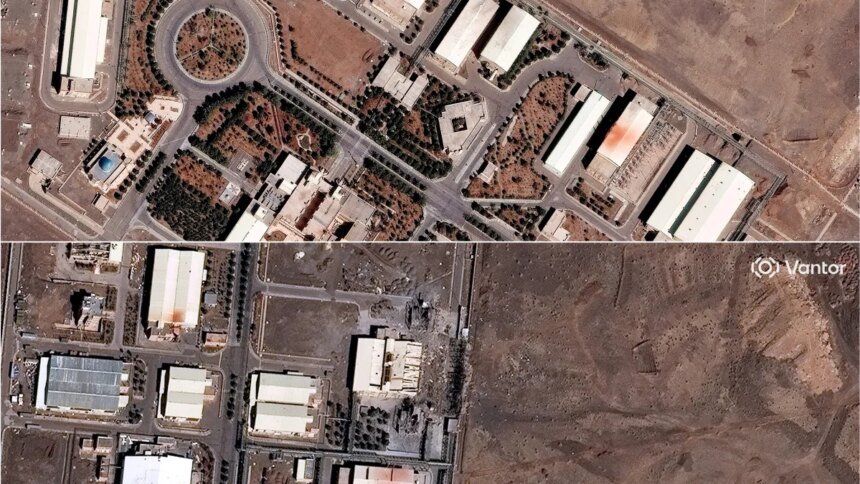
Observers believe – according to the American newspaper – that the Iranian leadership has begun to view nuclear weapons as “the most effective means of deterrence” to protect its national security, especially after the successive attacks that the country has been subjected to over the past two years by the United States and Israel.
Iran has repeatedly conveyed American and Israeli accusations that it has a secret program to develop nuclear weapons.
According to the White House, Iran pledged in the memorandum of understanding it concluded with the United States under international mediation not to possess nuclear weapons.

Trump and Netanyahu
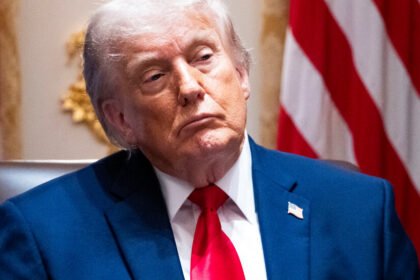
In this context, the Wall Street Journal revealed the worsening dissatisfaction of US President Donald Trump with Israeli Prime Minister Benjamin Netanyahu.
According to American officials, Trump has begun to publicly question the accuracy of Netanyahu’s information, with concerns within the US administration that the latter is seeking to prolong the war with Iran to enhance his personal political gains.
For its part, Time magazine said that the Iranian street, burdened by months of the economic and psychological consequences of the war, had received the initial peace agreement with a state of rare satisfaction.
However, this relief did not last long; It quickly turned into widespread anxiety fueled by doubt about the sustainability of the ceasefire, the ability of the economy to recover, and whether the war has actually ended or whether it has left the country in a more dangerous spiral of uncertainty about the future, according to what was reported by the American magazine.

Raids on Moscow
On another topic, The Washington Post commented on the intensified Ukrainian drone raids on Moscow, noting that Kiev aims, by taking the battle to the heart of the Russian capital, to put popular pressure on President Vladimir Putin to force him to sit at the negotiating table.
In the past few days, Ukraine carried out drone strikes on targets in Moscow, including a large oil refinery, and described these attacks as the largest in two years.