Published on 6/14/2026
|
Last update: 23:54 (Mecca time)
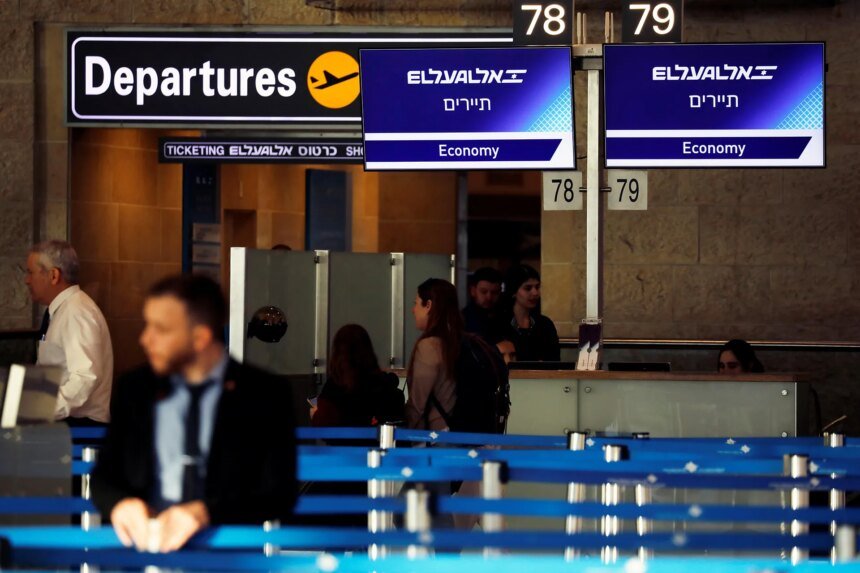
Israel is moving to transfer about half of the American refueling planes stationed at Ben Gurion Airport to Air Force bases, in a belated attempt to avoid the cancellation of more than 2.4 million airline tickets that threaten the summer tourism season and Jewish holidays, according to what Israeli newspapers reported.
Transport Minister Miri Regev had issued a warning to Prime Minister Benjamin Netanyahu that on Tuesday, June 16, the Airports Authority would be forced to officially inform airlines of the cancellation of this number of tickets unless the American planes were immediately transferred from Ben Gurion Airport and Ramon Airport.
Regev warned of “billions of shekels of direct economic damage,” including the aviation and tourism sectors, and that canceling summer and holiday flights “will harm national morale and civil steadfastness at a time when the Israeli public needs calm more than ever before.”

According to Sharon Kedmi, Director General of the Airports Authority, “every fourth passenger will receive a cancellation notice” if the situation continues.
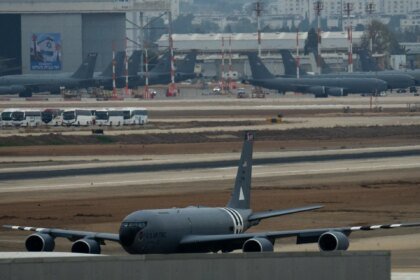
Regev explained that 72 American refueling planes are stationed at Ben Gurion Airport, occupying more than half of the parking capacity, while Ramon Airport includes 26 additional planes occupying about 90% of its parking spaces, warning that the cancellation may also include the trip of the followers of the Preslav Hasidic movement to Ukraine on Rosh Hashanah.
The roots of the crisis go back to the current war on Iran, which broke out on February 28, when Ben Gurion Airport was practically transformed into an air base where American refueling planes were piled up.
The British Financial Times newspaper analyzed satellite images and counted at least 50 military aircraft during May, up from about 14 aircraft before the war.
Ben Gurion Airport data for April showed a collapse in traffic, exceeding 73% compared to the previous year, as international flights fell by about 67%.
The crisis is centered on situations, as El Al and Israir were forced to park their planes at airports in Europe, Cyprus, and Greece due to a lack of accommodation. Kedmi estimated the authority’s losses over two months at about 700 million shekels (about 248 million dollars), warning that they would escalate to billions if the threat of canceling tickets became a reality.

The Israeli security establishment objects to the transfer plan, explaining that only three bases (Ramon, Nevatim, and Ovda) are capable of accommodating aircraft of this size, and that their space is not sufficient.
She added that the planes – even if they are transported – will only park in a crowded formation “head to tail” without operational activity, which is rejected by the American side, which is keen to keep them in immediate readiness, according to the Yedioth Ahronoth newspaper.
In contrast to Regev’s public warnings, an Israeli political source downplayed the severity of the crisis, stressing that National Security Council Chairman Shmuel Ben Ezra was handling the issue, and that “no commercial flight will be canceled because of the planes.”