Published on 12/6/2026
|
Last update: 13:52 (Mecca time)
American statements regarding the possibility of reaching an agreement with Iran reshaped the mood of investors around the world, with markets shifting within hours from focusing on the risks of war to pricing in the possibilities of calm. Oil prices fell to their lowest levels in two months, while Asian and global stocks jumped, and US bond yields fell as inflation-related concerns eased.
These movements reflect the extent of the influence that geopolitical developments in the Middle East have on the decisions of investors and central banks. Energy prices are no longer just an economic variable, but have become a factor influencing inflation expectations, the path of interest rates, and risk appetite in global markets.
Oil declines as hopes for calm grow
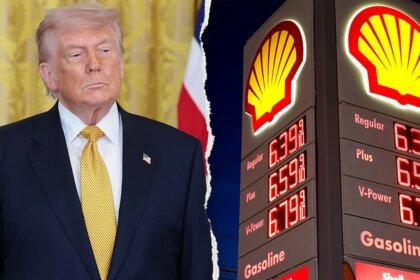
US President Donald Trump said that a peace agreement with Iran could be signed “as soon as this week,” adding that the negotiations had reached “the highest levels of Iranian leadership” and had broad regional support.

Trump’s statements came hours after US warnings of the possibility of additional strikes against Iran, giving markets mixed signals about the direction of the crisis.
On the other hand, Iran clarified that it has not yet taken a final decision regarding any potential agreement, which has maintained a state of caution among investors.
The prospect of naturally reopening the Strait of Hormuz pushed oil prices down. Brent crude fell by 3.8% to $86.57 per barrel, and West Texas Intermediate crude fell by 3.8% at $83.91 per barrel, bringing the most famous oil crudes in the world to their lowest level since last April 17.
National Australia Bank’s head of foreign exchange strategy, Ray Attrill, said these developments “appear more realistic than what we have seen previously,” adding that any additional positive signals from the Iranian side could change market expectations “significantly.”
Stocks benefit from declining risks
The decline in oil prices was quickly reflected in global stock markets.
The MSCI index of Asia-Pacific stocks outside Japan rose 3.7%, supported by a 7.8% jump in the South Korean Kospi index.
Japan’s Nikkei Index rose by 3.6%, while China’s CSI 300 Index rose by 1.5%, and the Hang Seng Index in Hong Kong increased by 2%.
The rising wave extended to Wall Street, after the main American indices recorded their largest daily gains since April 8, the day that witnessed a temporary truce between America and Iran.
The Nasdaq index jumped by 2.5%, also supported by the great interest in the initial public offering of SpaceX, which raised $75 billion, giving the company a market valuation of $1.77 trillion.
Hugh Lam, investment strategist at BetShares, said that the wide distribution of offering shares among individual investors may increase the stock’s volatility in the short term.
Interest bets change
Declines in energy prices have revised investors’ expectations about US monetary policy.
The odds of the Federal Reserve raising interest rates during its October meeting fell to 36%, compared to 51% earlier, according to market pricing.

The yield on two-year US Treasury bonds settled at 4.073% after falling by six basis points in the previous session, while the yield on ten-year bonds reached 4.469% after falling by about eight basis points.
In Europe, the European Central Bank raised interest rates for the first time in about three years, in an attempt to reduce inflationary pressures associated with rising energy costs.
The dollar is between caution and optimism
The dollar recovered part of its previous losses as questions continued about the chances of success of the negotiations.
The dollar rose by 0.2% against the Japanese yen to 160.23 yen, while the dollar index, which measures the performance of the American currency against a basket of major currencies, settled at 99.74 points.
Michael Wan, chief currency analyst at Mitsubishi UFJ Financial Group, said, “There are questions about the chances of reaching an agreement and the extent of Iran and America’s acceptance of it,” adding that the negotiations “seem to be close to their end, but they have not yet reached the decisive line.”
Inflation remains under control
American data showed that producer prices rose more than expected during May, recording the largest annual increase in three and a half years, as a result of rising energy costs due to the war.
However, investors focused on the slowdown in the core producer price index, which rose by 4.9% year-on-year, compared to expectations of 5.4%.
Tony Sycamore, market analyst at IG, said: “Lower energy prices and a lower-than-expected core inflation reading helped calm inflation-related concerns.”
Market movements indicate that the Iranian file has become one of the most influential factors in the global economy during the current stage. Every development on the diplomatic track is directly reflected in oil prices, interest expectations, and the performance of stocks and currencies, at a time when investors are trying to estimate whether the potential truce will constitute the beginning of long-term stability or just a temporary stop in a crisis whose pages have not yet been closed.