Published On 10/6/2026
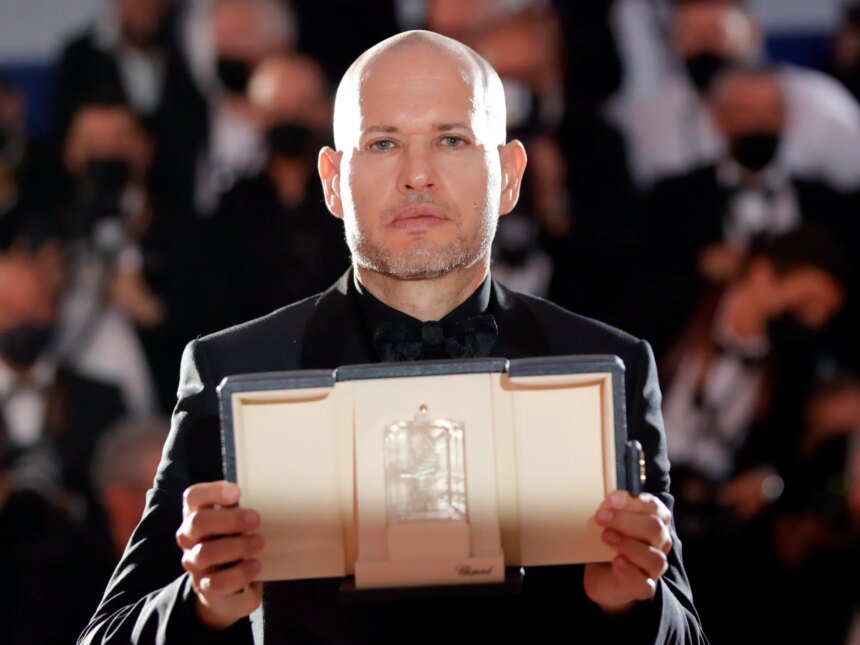
Israeli director Nadav Lapid announced his withdrawal from the 37th edition of the Marseille International Film Festival, scheduled to be held between July 7 and 12, after an escalation of an objection and boycott campaign from a number of participating filmmakers.
According to the festival’s administration, a number of directors withdrew their films from the program in protest against Lapid’s presence, which created “major tensions” and ultimately led to him apologizing for participating. Lapid had been invited as a member of the jury, and he had also been invited to screen his film “Policeman,” which he directed in 2011, before criticism turned into a broader rejection of his participation in principle.
Read also
list of 2 itemsend of list
Lapid is considered one of the most prominent contemporary Israeli directors. He won the Golden Bear at the Berlin Film Festival in 2019, and also won awards at the Locarno Film Festival and the Cannes Film Festival. He is known for his public positions opposing the government of Benjamin Netanyahu, and he has moved to reside in France since 2021.
Israeli funding ignites controversy over the film “Yes”
Objections focused on Lapid’s most recent film, Yes, which was screened as part of the Directors’ Week section at the 2025 Cannes Film Festival, due to it receiving partial financing from an Israeli film fund.
The film’s producer, Judith Le Levy, said that the funding came from an “independent public fund” and not from the Israeli government, and that its contribution did not exceed 12% of the film’s budget, noting that the fund itself is subject to pressure and criticism from the Netanyahu government. In addition, the film strongly criticizes Israeli society after the events of October 7, according to Le Monde.
Withdrawal after withdrawal of films and boycott pressures
According to Euronews, about ten out of 120 participating directors decided to withdraw their films from the programming of the festival specializing in independent and documentary cinema, as part of calls for a “cultural boycott” of Israel.
For his part, Lapid expressed his dissatisfaction with the boycott directed at him personally, despite his positions opposing the Israeli government, considering that targeting critical directors “does not actually serve the Palestinian cause,” but rather confuses independent artists with the official representation of the occupying state.
Data battle
In an official statement, the Marseille Festival administration expressed its regret over what happened, considering that “it is illegitimate to hold a director responsible for the racist, colonial, or genocidal policies pursued by his country’s government.” The festival’s organizers believed that boycotting directors known for their critical stances might lead to “silencing some of the most important opposition voices within Israeli society.”
A letter in support of Lapid – published by “Le Monde” – also warned against equating the director who “publicly condemned the destruction of Gaza” with any form of official cultural representation of Israel.
On the other hand, 12 directors who were at the forefront of the call for the boycott published a statement on Instagram, in which they affirmed that their goal is “to move against a colonial and genocidal reality that is approved,” and they criticized what they described as the film festivals’ insistence on creating a “symmetry” between Palestinian and Israeli productions, considering that this symmetry “ignores the imbalance of power and the colonial reality on the ground.”