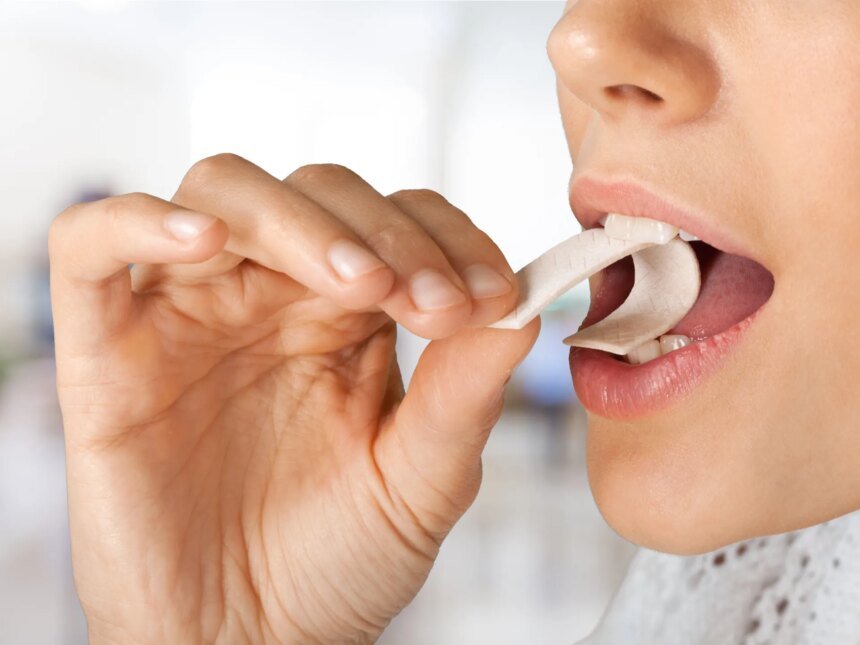
Chewing gum is a popular habit that is widely marketed as a way to relieve stress, help control appetite, and even promote oral health if it is sugar-free. In recent years, types called “functional gum” have appeared, with vitamins or stimulants added to them, or directed to help quit smoking and deal with dry mouth odor.
However, dental experts warn against gum containing sugar, and warn that excessive chewing of gum – whatever its type – may cause problems in the jaw and teeth, and it is not appropriate to treat it as a substitute for regular brushing and flossing. There is also no strong scientific evidence to support many of the benefits promoted by advertisements.
Read also
list of 4 itemsend of list
Below is an attempt to develop the habit of chewing gum in its normal size, with practical controls to reduce its harms as much as possible.

The jaw joint is not designed for endless chewing
Dentist Karen Kahn, of the Cleveland Clinic, explains that jaw movement occurs at the temporomandibular joint in front of the ears, which is supported by a network of muscles that bring the jaws closer together so that a person can cut, chew, and swallow food.
This system is designed for chewing specific meals during the day, not for continuous, aimless chewing. When we chew gum, we “chew just to chew,” in a repetitive motion that is outside the scope of normal function, which dentists classify as “non-functional habits.”
According to Kahn, chewing gum for long periods or repeatedly can cause or worsen temporomandibular joint disorders, due to excessive pressure on the joint, muscles, and teeth, which may lead to:
- Cracking or popping in one or both joints.
- headache.
- Jaw pain.
- Cracked or broken teeth.
Therefore, it advises those who already suffer from temporomandibular joint disorder to avoid gum completely, and advises those who do not suffer from known problems to reduce chewing gum as much as possible, and to commit to a period of no more than 15 minutes per day to reduce the risk of stress on the joint and muscles.

Psychological and nutritional benefits… more claims than facts
Many people find that gum helps them feel calm and focused, and resists the urge to snack. But Kahn points out that the available studies are conflicting, and there is still no conclusive evidence that chewing gum reduces stress, improves concentration, or actually helps with weight loss.
If a person feels that gum helps him psychologically in certain situations, Kahn advises him to balance this feeling with the potential side effects on the jaw, teeth, and digestive system, and to look for other alternatives to relieve stress or control appetite, such as short walks, breathing exercises, drinking water, or eating a healthy snack when needed.
Sugar-free gum…benefits are limited with conditions
Sugar-free gum appeared in the 1960s with the goal of “promoting oral health,” and scientific reviews indicate that chewing sugar-free gum may help:
- Reduce tooth decay.
- Stimulate saliva secretion.
- Remove some stuck-on food residue.
- Neutralizing acids produced by bacteria in the mouth.
It can also benefit people who suffer from dry mouth by increasing saliva production, a condition that may be associated with unpleasant breath odor and increased risk of cavities.

However, researchers point out significant variation between studies, and stress the need for more rigorous research before the magnitude of these benefits can be confirmed. Dentists also point out that drinking regular sips of water and using some special medications may be more effective in cases of dry mouth than relying on chewing gum alone, and Kahn stresses two basic points:
- If you have to chew gum after meals, choose only the sugar-free type, because the sugar in gum increases the risk of tooth decay.
- Do not treat gum as a substitute for regular brushing and flossing, or for other oral health care habits.
Nicotine gum…a therapeutic tool, not a daily meal
Nicotine gum is designed to help some smokers quit, and is not supposed to be chewed all the time. The correct method is usually to chew a little to release the nicotine, then place the gum between the cheek and gum, and repeat this for approximately 30 minutes, according to medical instructions. This gum may cause side effects in the mouth such as:
- Increased saliva secretion.
- Jaw pain.
- Irritation in the lining of the mouth.
Although its use is temporary, medical sources recommend combining it with other means of quitting smoking, such as skin patches, some medications, and behavioral support programs, and not turning it into a new daily chewing habit.

Xylitol gum… between protecting the teeth and disturbing the intestines
Xylitol is a low-calorie sugar substitute, used by several industries, including some types of sugar-free gum. Studies indicate that xylitol gum may contribute to:
- Reducing the accumulation of “plaque” on the teeth.
- Reducing the risk of caries in some people.
Some research suggests that it may be more effective in reducing cavities than some mouthwashes, pastes or candy that contain xylitol.
On the other hand, nutritionist Amy Brownstein points out that excessive chewing of xylitol gum may cause uncomfortable digestive symptoms, especially for those suffering from irritable bowel syndrome, such as diarrhea, gas, and bloating.
The sugar alcohols used to sweeten many sugar-free gums may have a laxative effect when consumed in large quantities.
To benefit from xylitol in reducing “plaque,” some sources recommend chewing gum containing about 5 grams of xylitol for a short period not exceeding 3 minutes, three times daily. Chewing gum for long periods may reduce the expected benefit for oral health, and in turn increase the possibility of digestive symptoms or jaw problems.

Gum is generally safe, but the problem is quantity and time
Food safety bodies indicate that common chewing gum ingredients are safe for human consumption in usual doses. Reviews also indicate that chewing a few pieces of sugar-free gum daily – especially after meals – may provide some benefits for oral health with limited risks.
But the problem begins when gum turns into a habit that does not stop: chewing for hours, consuming entire packages daily, or continuing to chew despite a clear feeling of jaw pain, headache, or stomach discomfort. In these cases, the risk of side effects on the temporomandibular joint, teeth, or digestive system increases.
If you feel that chewing gum is causing you problems, the simplest solution is to reduce the amount, shorten the chewing time to the shortest possible period, and monitor the response of your jaw and stomach. Anyone who wants a specific benefit for dental health can suffice with one or two pieces of sugar-free xylitol gum between meals, while adhering to clear time limits and not exceeding about 15 minutes a day.
In the end, the general rule remains simple: your teeth are best maintained by brushing, flossing, and regular cleanings by your dentist, not a piece of gum that stays in your mouth for most of the day.