Published On 3/6/2026
|
Last update: 18:46 (Mecca time)
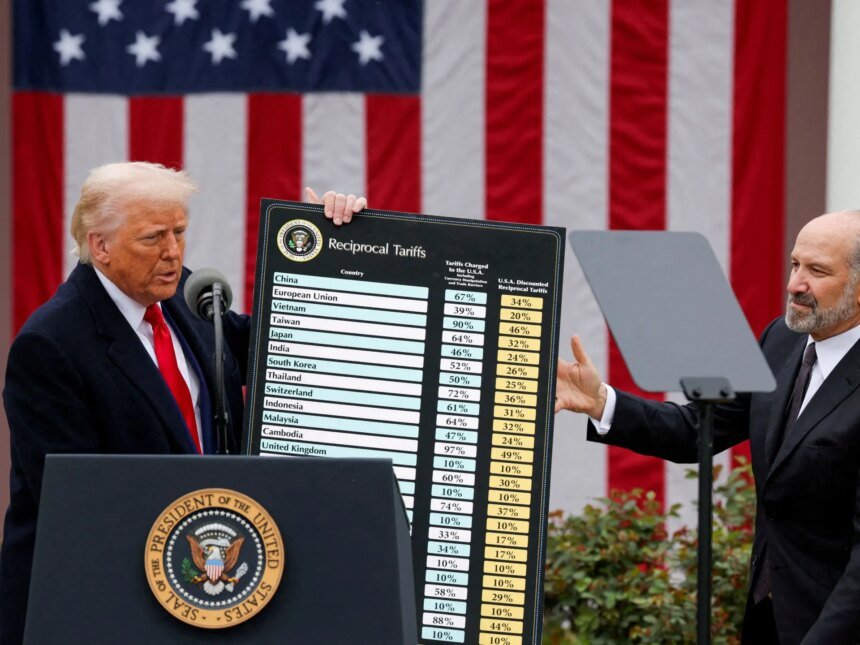
US President Donald Trump launched the largest move to rebuild the tariff wall since the Supreme Court dropped his previous tariffs months ago, as his administration proposed imposing new duties of no less than 10% on imports coming from 60 trading partners, based on an investigation into these countries’ dealings with goods produced using forced labor, according to Bloomberg.
Bloomberg explained that the proposed duties will amount to 10% on imports coming from Canada, Mexico, the European Union, Taiwan, the United Kingdom and other countries, while products coming from major economies, including China, India, Japan, South Korea, Brazil and Switzerland, will be subject to duties of 12.5%.
Bloomberg said that the fees will not go into effect immediately, as they will be subject to a period of review and public comments that may lead to them being amended before they are finally approved. The US administration has set July 6 as a deadline for receiving written comments, with public hearings to begin the next day.
Forced labor is any work or service that a person is forced to perform under threat of punishment.
New investigations
Bloomberg indicated that the US Trade Representative’s Office concluded that the 60 countries included in the investigation “do not effectively implement a ban on imports resulting from forced labor,” explaining that countries that impose restrictions on these imports or pledge to implement them will be subject to the lower duties, while higher duties will be applied to countries that “failed to impose these restrictions and implement them effectively.”
“We will no longer tolerate this disparity,” US Trade Representative Jamieson Greer said in a statement reported by Bloomberg, adding that the current situation “forces American workers to compete globally on an unlevel playing field.”
Bloomberg reported that the investigation was based on Section 301 of the US Trade Act of 1974, which is the same legal path that the US administration is using to prepare another package of potential duties related to surplus manufacturing capacity among its trading partners.
International reactions
China rejected the American accusations and criticized the new step, while a Japanese official confirmed that Tokyo is in close contact with Washington regarding the file. As for the European Union, it described the proposed fees as “unjustified,” stressing at the same time its commitment to the terms of the trade agreement concluded with the United States, according to what was reported by Bloomberg.
The agency quoted Deborah Elms, head of trade policy at the Heinrich Foundation, as saying that trading partners “will be dissatisfied with this decision,” adding, “You have opened (in a letter to the United States) the door to a large wave of tariff and non-tariff adjustments.”
The move comes at a sensitive time for the global economy, with the continuing US-Israeli war on Iran and rising energy prices, which has fueled inflation fears and increased pressure on the purchasing power of American voters ahead of the US midterm congressional elections scheduled for November.
Exceptions and broader messages
Bloomberg explained that the US administration proposed excluding a number of goods from the new duties, including beef, tomatoes, bananas, coffee, and orange juice, in addition to some types of fuel, chemicals, and metals that are already subject to other duties.

The Office of the US Trade Representative also referred to 34 commodities that it said were linked to supply chains that include inputs produced with forced labor, including cotton used in the manufacture of clothing, rare metals used in the production of solar energy, palm oil, and some fish products.
Bloomberg believed that the new tariffs would test the willingness of the largest economic partners of the United States to continue the policy of restraint they have followed so far, as most countries preferred to negotiate with Washington rather than respond with direct retaliatory measures to the series of trade tariffs imposed by the Trump administration.
The new initiative coincided with the White House’s efforts to find a more solid legal basis for customs duties after the Supreme Court’s decision last February to cancel the duties imposed under economic emergency powers, while analysts expect that the new duties will begin to be implemented in conjunction with the end of other temporary duties in late next July, according to what Bloomberg reported.