Published On 4/26/2026
The question may seem, “How often should pants be washed?” Simple, but it opens a wide debate in the world of clothing care, between those who prefer frequent washing for the sake of cleanliness, and those who warn against excessive amounts that accelerate fabric damage and fading.
According to a report published by the Washington Post, the answer is not the same, as it changes depending on several factors, most notably the type of fabric and the nature of use, in addition to the lifestyle and surrounding environment.
When does it become necessary to wash pants?
Kim Romaine, a textile scientist at Procter & Gamble, explains that invisible dirt – such as sweat and bodily oils – gradually accumulates within the fibers, over time changing the smell and texture of the pants, and accelerating their color fading.
She points out that there are clear indicators that mean it is time to wash, including:
- The appearance of stains on the fabric.
- Unwanted odors.
- A greasy or rough texture to the pants due to the accumulation of dirt.
On the other hand, immediate washing becomes necessary if the pants are exposed to contaminated materials such as pesticides, chemicals, or biological fluids, with the importance of washing them separately from the rest of the clothing.

Does frequent washing harm the pants?
Experts believe – as the report conveys – that repeated washing does contribute to the wear and tear of fabrics over time, but the greatest damage often results from drying at high temperatures in the dryer more than from the washing process itself.
Romine explains that the best way to keep pants as long as possible is:
- Wash it only when needed, not automatically after each wear.
- Avoid high temperatures in the dryer.
- Prefer air drying or use low heat settings.
In this way a balance can be achieved between cleanliness and preserving the life and shape of the fabric.
Turning the pants over before washing.. When is it useful?
Romine advises turning the pants inside out before washing, because this:
- It protects the outer surface from direct friction and the fading and corrosion it causes.
- It helps remove dirt accumulated on the area in contact with the body.
But she explains that if stains and dirt are visible on the exterior surface, washing on a normal setting may be more effective in removing those stains.

Wearing pants without underwear…what is its effect?
Robert Cardiff, co-founder of Laundry Sauce, explains that wearing pants without underwear means that the fabric is directly exposed to sweat and secretions, which forces washing frequency to increase.
He points out that this condition makes pants more similar to underwear in terms of the need for frequent cleaning, especially in:
- Tight pants.
- Sports or workout pants.
How do we wash different types of pants?
The report confirms that experts do not agree on a single “golden rule” for washing all types of pants. Recommendations vary according to the type of fabric and the function of the pants:
1. Sports pants
Romine explains that sports pants should be washed after each use, because they retain sweat and oils that may cause annoying odors or irritate the skin, and she advises:
- Wash with cold water and gentle programme.
- Do not mix it with heavy clothes or fabrics that leave lint.
- Avoid fabric softeners that may affect the fabric’s ability to breathe.
- Prefer air drying to maintain its flexibility and shape.

2. Lounge and light sports pants
Cardiff believes that lounge pants – or the light sports pants that we wear at home – can be worn 3 to 5 times before washing, provided that:
- Do not sweat excessively while wearing it.
- No obvious odors or dirt appear.
It is recommended to wash in cold water and air dry or at low heat.
3. Sleep pants
Romine points out that sleep pants can be worn two to three times before washing, if there is no noticeable sweating during sleep and no odors appear.
However, it stresses the need to wash it immediately when:
- Excessive sweating.
- The appearance of any dirt or unpleasant odors.
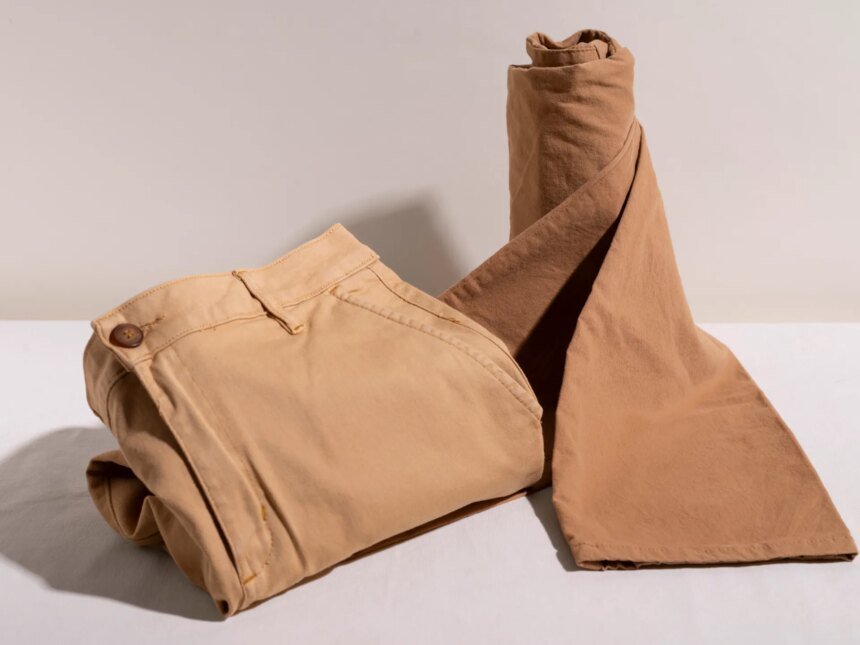
4. Khaki
Cardiff warns against over-washing khaki pants, as this accelerates fabric wear and fading, and recommends that:
- It should be washed approximately every two to three times of wear.
- Spot clean when needed instead of washing it completely every time.
5. Velvet pants
Cardiff explains that velvet fabrics do not absorb sweat easily, but they tend to pick up dust and dirt on the surface, so he recommends:
- Wash velvet pants every 4 to 5 times of use.
- Turn it inside out before washing to maintain the distinctive color and texture.

6. Linen pants
Experts recommend washing linen pants after every one or two times of wearing in hot climates, as sweating increases. They also stress:
- Use only cold water to avoid shrinkage.
- Dry it gently and do not expose it to excessive heat.
7. Jeans…more room to maneuver
Kia Babzani, founder of denim store Self Edge, offers a more flexible view of jeans, saying they can be washed every 5 to 7 wears under normal circumstances.
In some cases – if the jeans are not exposed to obvious dirt – the period can be extended to 30 times, or even 45 times of wear, depending on the nature of use and the environment.
He adds that washing once every month or two is often sufficient for those who wear jeans in environments that are not very dirty. It is recommended to maintain jeans:
- Turn it over before washing.
- Use cold water.
- Avoid high heat during drying, as it causes shrinkage and loss of color.
The report concludes that there is no fixed rule governing the number of times pants should be washed, as it depends on the type of fabric, the nature of use, and the circumstances surrounding each person.
But what experts agree on is that over-washing can accelerate fabric damage and fading. On the other hand, neglecting hygiene is neither a healthy nor comfortable option.