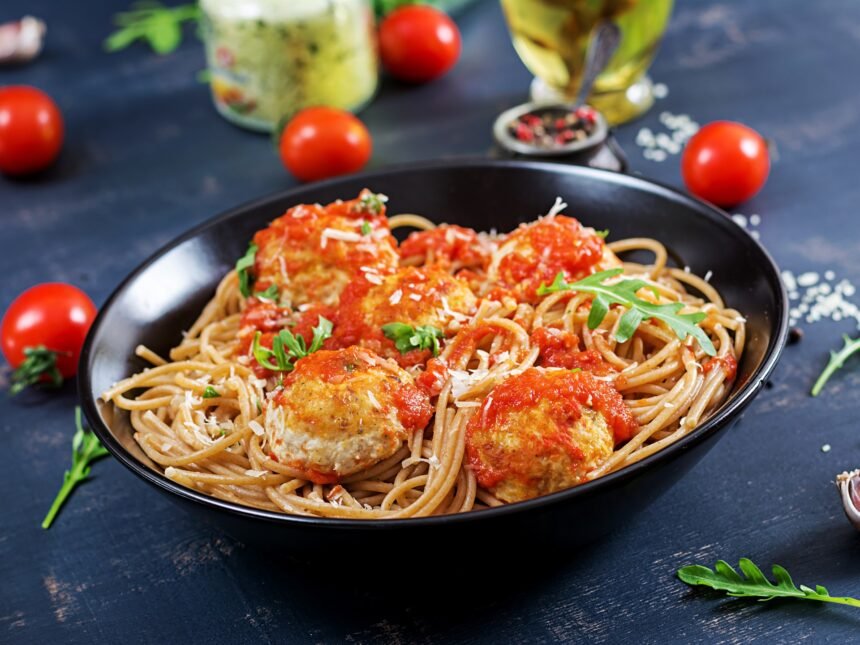
After weeks and months of sticking to a regular diet, the desire to eat a free meal becomes normal and expected. The problem is not the meal itself, but the way you deal with it.
Many people fall between two extreme options: long deprivation that ends in overeating, or great indulgence that turns one meal into a whole day out of the system. However, the truth is simpler than that: a free meal can be a smart part of a successful weight loss plan, provided that it is used in a thoughtful and organized manner.
Read also
list of 2 itemsend of list
One meal not a whole day
The most important rule for the success of a free meal is to remain one meal and not an open day, because fat loss depends primarily on the average calories during the week and not on a single meal. Therefore, maintaining the weekly thermal deficit makes the effect of the limited free meal minimal and does not hinder progress, while converting it to a full day of random eating may cancel a large portion of this deficit that was achieved during days of commitment, in addition to it may create a psychological cycle of excess followed by a feeling of guilt and then a repetition of the same behavior.
Registered dietitian and trainer Ansley Hill explains to Healthline that focusing on one meal instead of an entire day is one of the most effective strategies for maintaining adherence to the diet without overindulgence, as dividing food into a pre-determined meal helps avoid switching to an uncontrolled eating pattern, and reduces the possibility of overeating, while at the same time maintaining space to enjoy favorite foods without completely deviating from the planned nutritional framework.
Plan before the meal
Advance planning is one of the most important elements that distinguish a smart free meal from a random meal, as choosing the type of meal before its time and determining its timing and quantity helps reduce the possibility of overeating, and makes it a part of the diet and not a departure from it. This method also becomes more effective when the free meal is taken after vigorous exercise or during a high-activity day, as the body is more willing to use a larger portion of calories to replace muscle energy stores instead of storing them in the form of fat, which allows the meal to be enjoyed without negatively affecting the results.
This is supported by the results of a scientific study conducted at South Manchester University Hospital in the United Kingdom, and published in 2014 in the “International Journal of Obesity,” which indicated that controlling meal size is determined more by decisions made before eating than what happens during it, and that individuals have the ability to estimate the quantities of their food in advance, which is an estimate that is closely related to what is actually eaten. The results also showed that advance planning contributes to reducing impulsive eating and enhancing calorie control compared to unplanned eating, which supports the importance of advance planning in managing dietary behavior.
Choose the type and time of your meal wisely
Not all free meals are equal in their effect on the body. Meals that are higher in carbohydrates may be a relatively better choice than those that are very high in fat, especially if they come after exercise, because the body uses carbohydrates more quickly to replenish energy stores in the muscles (glycogen). In contrast, meals that are very high in fat are more likely to be stored when they exceed the body’s immediate energy needs. However, this does not mean avoiding fats completely. Rather, what is meant is achieving a balance that allows you to enjoy a free meal without greatly exceeding the calories or negatively affecting your results.
Do not enter the meal when you are very hungry
It is a common mistake to deal with a free meal after long hours of extreme hunger, as this makes portion control more difficult, and pushes many people to eat with a mentality of compensation instead of balanced enjoyment.
Therefore, it is recommended to adhere to eating the basic meals during the day normally, while drinking a sufficient amount of water before the free meal, as this helps to enter into a state of calm, and makes enjoying food more balanced without excess or a feeling of deprivation.
Eat your meal mindfully
A free meal is not an invitation to eat without limits, but rather an opportunity to consciously enjoy eating the food we love. Eating slowly, and listening to the body’s satiety signals, helps reduce overeating and achieve greater satisfaction with less quantity. This strategy falls within the principles of “mindful eating.”
In a randomized trial published in the scientific journal Nutrients specialized in nutrition, the effect of applying mindful eating strategies on participants was tested for several days. The researchers found that using mindfulness techniques while eating can help reduce the total calories consumed and improve eating patterns compared to not applying them. Therefore, it is better to choose a food that you really like, and eat it calmly and wisely, while listening to your body’s signals, so that the free meal remains an enjoyable experience that supports the continuation of the diet instead of turning into a burden on its results.
Return directly to the system after the meal
The real mistake is not in the free meal itself, but in what comes after it. Feeling guilty after a free meal may push some people to eat more randomly or to feel that the system has “broken” and that the calories lost in the previous days were in vain, which prompts them to give up completely. But what is correct is to return directly to the diet at the next meal without delay or justification. Thinking of the free meal as a “measured break” rather than a “meltdown” is what makes the difference in continuity.
The 80% rule…the secret of true sustainability
This rule is based on the idea of sticking to healthy eating 80% of the time, with about 20% flexibility to enjoy other foods. When you stick to your diet for most meals of the week, one or two meals outside the plan becomes a normal occurrence that does not negatively affect the results. With this deliberate flexibility, you can reduce the feeling of deprivation and maintain psychological balance, which increases the chances of continuing on the diet for a longer period without relapses.
A free meal is not an enemy of the diet if it is calculated within the diet and specific in quantity and timing. It helps reduce the feeling of deprivation and promote continuity. When managed intelligently, it is an effective tool for balancing commitment and pleasure, which is an essential element for long-term weight loss success and sustainability.