Published On 4/23/2026
Iran is waving many cards to confront the pressures imposed on it by the United States, and asserts that the naval blockade imposed on its ports is hurting it and causing economic losses, but it will not yield to American demands and will not go to negotiations in which it does not have the full cards.
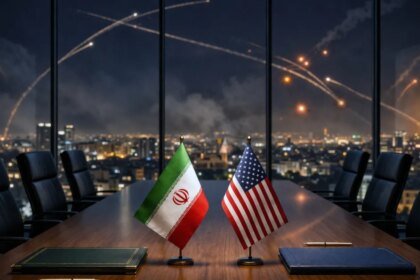
US President Donald Trump says in his statements that the siege terrifies the Iranian regime more than the bombing, and he demands a unified response from Iran to the new offer he said he made to it, in order to hold the second round of negotiations between the two parties.
For its part, Iran stresses that there is no return to negotiations with Washington without lifting the American blockade on it, as it considers this blockade an economic war against it and a violation of the ceasefire, as previously confirmed by the Speaker of the Iranian Parliament, Mohammad Bagher Qalibaf, in addition to the fact that the US Navy’s seizure of an Iranian ship has increased the anger of the Iranians.
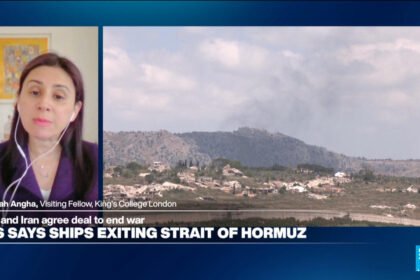
Despite the American threats, the Iranians are repeating the same demands: lift the blockade first before negotiating. Tehran believes – according to Al Jazeera’s correspondent in Tehran, Muhammad Al-Baqali – that the blockade and the Strait of Hormuz are the results and symptoms of the war, and are not the original problem that is supposed to be negotiated.
From Iran’s point of view, the nuclear file is the issue that makes it ready to go to Islamabad to negotiate with the Americans.
Tehran describes the American demands as excessive, especially with regard to ending the Iranian nuclear program forever, as it believes that this condition was not met during the war and it is not prepared to submit to it during the negotiation. It is also disturbed by the language that the American president uses against it, which suggests – according to it – that it has surrendered.
Iran’s bets
Although the American naval blockade is causing it economic losses, Iran – continues the Al Jazeera correspondent – believes that it still holds cards of strength, as the country has been subjected to a blockade for nearly 50 years, and the current blockade will have an impact in the medium and long term, in addition to that it has more capabilities to withstand than the Americans, who are affected by the rise in oil prices and the pressure of allies.
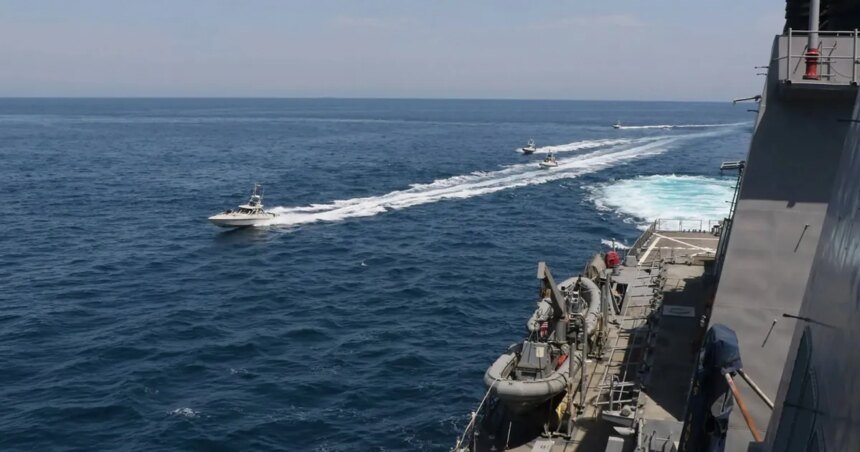
The most prominent card that Iran possesses is the Strait of Hormuz, which it controls, in addition to 6,000 kilometers of land borders, 20 land ports, a shadow fleet, and other cards and capabilities that it has developed over the past 46 years, as Al Jazeera’s correspondent says.
On the other hand, Iran is betting on the division occurring between the United States and European countries, against the backdrop of the repercussions of the war launched by Washington and Tel Aviv against Tehran. In this context, its Foreign Minister Abbas Araghchi assures the Europeans on many occasions that his country was not the one that started the war and caused the current crisis.
According to Al Jazeera’s correspondent, Iran’s cards that it is betting on are the ability to withstand and 47 years of experience confronting and circumventing the blockade, and the ability of the Strait of Hormuz to cause pain to others, in addition to a card it is waving, which is the Bab al-Mandab Strait, in the event that it is severely damaged and the blockade is imposed on its ports, preventing export and import from the ports of the Gulf and the Sea of Oman, and preventing oil production.
The spokesman for the Khatam al-Anbia headquarters – which coordinates between the Armed Forces and the Revolutionary Guards – had previously announced the closure of the Strait of Hormuz, and said that it would remain under the management of the Iranian Armed Forces, with strict control imposed on shipping traffic, as long as the United States did not commit to ensuring the freedom of transit of ships to and from Iran.
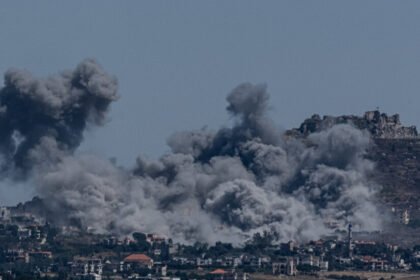
The United States and Israel launched an attack on Iran on February 28, and the US President later threatened to launch strikes on “all power plants and all its bridges” if it did not reach an agreement by midnight on April 22.