Published On 12/5/2026
|
Last update: 00:43 (Mecca time)
With the continuation of the US-Israeli war on Iran and the rapid consumption of precision munitions there, concerns are rising among European allies about the future of the vital US program dedicated to arming Ukraine.
According to a Washington Post report based on 10 diplomats, officials and congressional aides, the erosion of the US military stockpile and some countries’ questions about how the Pentagon spends European funds are raising growing concerns about efforts to support Kiev in its war with Russia, which has been going on for more than 4 years.
Crisis of confidence and delay in delivery
The roots of the crisis go back to an initiative known as the “Ukraine Priority Requirements List” (PURL), which was concluded last summer under the auspices of the North Atlantic Treaty Organization (NATO), and allows European countries to purchase advanced American weapons for Ukraine, especially air defense systems.
The conclusion of this agreement represented a political victory for US President Donald Trump, who pledged not to spend US taxpayer money on Ukraine.
But the pace of the war in the Middle East has created a crisis of confidence. Although American officials have confirmed that no equipment pledged to Ukraine has been transferred since the start of the attack on Iran, European officials fear that the American arms shortage – which is already affecting their own orders – may also lead to a delay in supplies intended for Kiev.
A European official confirmed this hesitation to the newspaper, explaining, “The Europeans are hesitating because of the growing mistrust and lack of certainty about the fate of the funds as the Iran war continues. There were contributions (to the initiative), but they were not many.”

Funding disputes and NATO assurances
Allied doubts deepened after a report – last March – revealed the Pentagon’s intention to use $750 million in funds from the European “PURL” initiative to refill American stockpiles, as compensation for equipment sent to Ukraine during the era of former US President Joe Biden, instead of using it to send new additional aid to Kiev.
This trend angered American lawmakers and European officials, as a Senate aide stated that the program should operate on the principle: “Dollar pays for dollar of new capabilities for Europe.” A senior Pentagon official did not deny this, but he considered the measure legal and a call for Europe to increase its industrial capacity.
Despite these tensions, Pentagon and NATO officials reassured a gathering of Kiev supporters last April that BRI shipments to Ukraine “will continue as planned.”
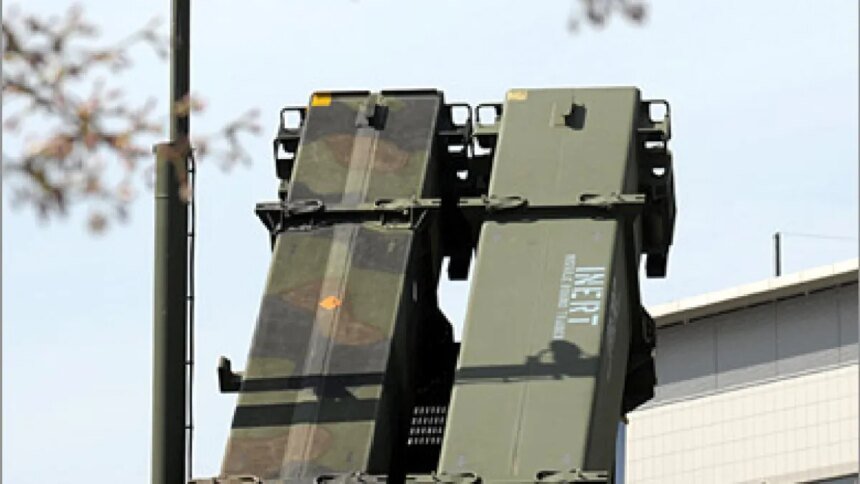
NATO confirmed that the initiative has already secured most of the Patriot missiles for Ukraine, including the PAC-3 interceptor missiles, as well as ammunition for other air defense systems, with European contributions exceeding $5.5 billion.

Discussion about American weapons
These questions prompted some countries to change their approach, as countries such as France and Italy preferred to provide direct aid and European-made weapons to Ukraine, separately outside the framework of the American initiative.
In this context, a European diplomat explained that the controversy over the initiative’s funds affected the broader debate within the continent regarding armaments, stressing that it “makes it more difficult to defend keeping the door open for more American arms purchases,” at a time when Europe is seeking to rebuild its own arsenal.
These military complications coincide with a widening political rift. Trump has expressed his annoyance and anger at European leaders for their reluctance to support the war on Iran.
In a remarkable escalation, the Pentagon announced the withdrawal of 5,000 American soldiers from Germany, following statements by German Chancellor Friedrich Merz in which he said that Washington was being subjected to an “insult” from Tehran, with Trump hinting at additional reductions of forces in countries such as Spain and Italy.

What is the status of interceptor missiles in Ukraine?
On the ground, Ukraine is facing a severe crisis in PAC-3 interceptor missiles, which have almost completely run out, except for a very scarce number that is carefully distributed throughout the country.
Despite the Trump administration’s pressure on European capitals to send their stocks of Patriot systems to Kiev, some of them refused for fear of weakening their air defenses.
In the midst of this scene, US Defense Secretary Pete Hegseth is facing pressure from Congress to explain why the administration has not spent the $400 million approved for a separate program that supplies Ukraine with US-made weapons.
During a hearing in late April, Hegseth avoided making a clear pledge to spend the amount as lawmakers wanted, saying only: “In the end, Europe is the one who pays for any weapons we provide.”