


Published On 7/7/2026
|
Last update: 13:50 (Mecca time)
Competition in the smartphone market is no longer determined by the numbers written on the device box, such as processor speed, memory size, or camera megapixels, but rather is measured by another factor that has a greater impact on the user experience, which is system updates and long-term software support.
As phone components reached similar levels of performance, companies tended to invest in software development and provide continuous updates that ensure security, improve performance, and add new features for years after purchasing the phone.
Technology experts point out that the smartphone has become an integrated software platform rather than a piece of hardware, which has made the duration of software support a major criterion when choosing new devices.

Security…the first reason why updates are important
Security protection is the most prominent reason why system updates are ahead of technical specifications. With the increase in electronic attacks, targeting phones with malware, and attempts to steal data, companies issue periodic security updates to fill discovered vulnerabilities and prevent their exploitation.
Google explains in its security bulletins for the Android system that it publishes monthly updates to fix security vulnerabilities and improve device protection, while its compatriot Apple adopts a similar policy through iOS updates that include security fixes and privacy improvements.
Cybersecurity experts confirm that devices that stop receiving updates become more vulnerable to attacks, even if they have powerful processors or large memory.
Software has become able to improve performance
In the past, improving performance required purchasing a new phone. Today, system updates can increase the efficiency of the device itself without any change in hardware. These improvements include better memory management, reduced power consumption, improved application responsiveness, and increased processor utilization efficiency.
Technical reviews published on the American Android Authority website indicate that some phones achieved better performance after system updates compared to their performance at launch, thanks to resource management improvements and software bug fixes, which reflects the increasing role of software in extracting the maximum benefit from internal components.
New features arrive after purchasing the phone
System updates are no longer limited to addressing errors, but rather have become a means of adding entirely new functions. In recent years, companies have added through updates features based on artificial intelligence, camera improvements, productivity tools, and new options for protecting privacy.
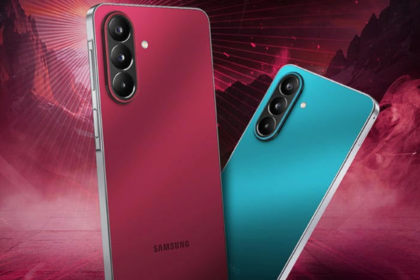
Companies such as Samsung use One UI updates to add new features even to devices launched several years ago, while Apple provides many new iOS features to supported devices without the need to purchase a newer phone, which increases the actual value of the device after it is sold.

Length of software support becomes a purchase criterion
During the past years, companies began competing over the number of years of updates instead of just competing in processor speed or camera accuracy. Some companies began to provide up to 7 years of system updates and security updates, in a move aimed at extending the phone’s lifespan.
Counterpoint Research data shows that consumers are keeping their phones longer than they did years ago, prompting companies to invest more in software support to maintain user satisfaction and reduce the need for frequent device replacements.
Artificial intelligence enhances the importance of updates
With the spread of artificial intelligence technologies within phones, the importance of system updates has become greater, because many of these features depend on software and not on changing hardware.
Operations such as automatic photo editing, call translation, text summarization, and intelligent in-device search are now arriving via system updates, which means the phone could gain new functions months or even years after its launch.
Analysts believe that the future of phones will increasingly depend on software, as artificial intelligence updates will become an essential part of the device life cycle.

Applications also depend on updates
Modern applications require new versions of operating systems to take advantage of programming interfaces and security enhancements. When the phone stops receiving updates, it gradually begins to lose compatibility with some modern applications or features, even if the hardware remains technically capable of running them.
This is why the duration of software support has become an important factor for users who rely on banking services, payment applications, and business tools, as these applications often impose security requirements that are only available in updated systems.
Software has come to determine the value of the phone
Industry experts believe that the phone market has reached a stage of maturity where differences in specifications have less impact on daily use, while software has become the element that determines the actual user experience. A phone that receives regular updates maintains its performance and security and supports the latest applications for a longer period, while another phone with higher specifications may lose a large portion of its value if its support stops programmatically.
Accordingly, the question when buying a new phone is no longer what is the most powerful processor? Rather, how many years will this phone continue to receive system and security updates? This is a shift that reflects a radical change in the philosophy of the smartphone industry, as software has become the most influential factor in the value of the device in the long term.