

Security and political files have emerged that reflect the scale of the challenges facing the North Atlantic Treaty Organization (NATO), from protecting navigation in the Strait of Hormuz and enhancing European defense capabilities, to the future of the war in Ukraine and the cohesion of the alliance, at a time when officials were keen to present their visions regarding the most prominent issues on the agenda of the NATO summit held in Ankara.
Belgian Foreign Affairs Minister Maxime Prévot said that his country is preparing to deploy minesweepers in the Strait of Hormuz to participate in efforts to secure maritime navigation, stressing that the Belgian move is based on a purely defensive doctrine, and does not aim to participate in any offensive operations or engage in war.
In an interview with Al Jazeera – on the sidelines of the summit – Brivo stressed his country’s keenness to contribute to returning navigation in the Strait to normal, explaining that this step comes within a European alliance led by France and Britain, and works in parallel with American initiatives in the region to ensure respect for maritime laws.
The minister pointed out that this European alliance is currently working outside the official umbrella of NATO, but he did not rule out raising the issue of Strait security for discussion within the alliance with the aim of developing a joint initiative in the future, in light of the recent escalation and strikes that targeted commercial ships.

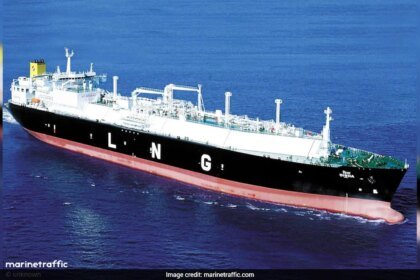
He explained that these developments came in the wake of the attacks on three commercial ships in the Strait of Hormuz, followed by American strikes, which contributed to a new escalation, as Iran targeted what it said were American facilities in Kuwait and Bahrain, amid Tehran’s accusation of Washington of violating the Islamabad memorandum of understanding.
In this context, Finnish President Alexander Stubb stressed, in a press conference on the sidelines of the summit, that the alliance is stronger today than ever before, especially after the accession of Finland and Sweden, and the increase in defense spending by member states.
The President pointed to the high readiness of the Alliance in the Arctic region, as 7 member states have extensive experience in that region, supported by a force of about one million soldiers ready for defense and protection missions.
Greenland and the Alliance
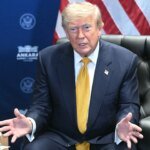
Regarding the tensions within the alliance, Prevot expressed European disappointment towards the American administration, especially regarding US President Donald Trump’s repeated statements regarding his desire to seize Greenland, stressing that the security of the High North and the Arctic region cannot be achieved at the expense of Denmark’s sovereignty and territorial integrity.
He also praised European and Atlantic solidarity in support of the Copenhagen position, and called on all parties to return to rationality and respect for the sovereignty of member states. He also stressed the unity of the alliance and the importance of maintaining deterrence power to confront existential threats, most notably Russian threats and terrorist groups.
The Belgian minister touched on Washington’s demands to increase European military spending, acknowledging the legitimacy of American concern, and the need for Europe to bear greater responsibilities in protecting the continent, pointing out that his country is working at an accelerated pace to reach the goal of allocating 2% of its gross domestic product to the defense budget.
Prevot revealed a broad Belgian investment package in the security field to build a modern defense system, which included contracting for F-35 aircraft, purchasing new frigates, enhancing the capabilities of minesweepers and infantry forces, in addition to investing in air defense, artificial intelligence, and advanced defense technologies.
He pointed out that Western countries are currently benefiting from the lessons learned from the war in Ukraine, to understand how to manage twenty-first century wars, and employ military technology to serve allies, with the aim of strengthening the European pillar within the alliance.
Battle fronts
In the context of regional cooperation, the Finnish President highlighted the strategic partnership with Poland, explaining that the two countries possess two of the largest armies on the European continent, and bear grave security responsibilities. Finland is responsible for securing the northern front extending from the Baltic Sea to the Arctic, while Poland is responsible for protecting the alliance’s eastern front.
At the field level in Ukraine, the Finnish President praised the remarkable improvement achieved by Kiev at the military, financial and political levels.
He noted, in particular, the ability of Ukrainian forces to employ drones and medium-range missiles to deliver effective strikes targeting Russian infrastructure and oil facilities.
He also stressed the need to accelerate the pace of military support to Ukraine, especially by providing it with advanced air defense systems, such as the Patriot system, and granting it the necessary licenses to use it more freely.
Russia-Ukraine war
Regarding the course of the war and the chances of peace, the President ruled out Moscow’s move to end the conflict due to the economic or human losses it is incurring among its forces.
He believed that the Russian leadership would not be forced to sit at the negotiating table except when internal pressures escalate and the Russian people begin to oppose the war, considering that reaching an immediate ceasefire agreement represents the ideal solution at the current stage.
Regarding the diplomatic movement, the Finnish President revealed that he held a series of intensive consultations with prominent international leaders, including Turkish President Recep Tayyip Erdogan, Ukrainian Volodymyr Zelensky, Frenchman Emmanuel Macron, and European Commission President Ursula von der Leyen.
He called for the need to unify international efforts to reduce the escalation and push the Russians towards negotiation, expressing at the same time his reservations and lack of optimism in achieving quick positive results.
Nuclear possession
In his comment on the developments of the recent escalation between Washington and Tehran, Slovenian Foreign Minister Toni Caires explained, in an interview with Al Jazeera, that the alliance held constructive discussions with the Gulf states and the countries concerned, during which he called for reducing the escalation and ensuring freedom of navigation, as a basic principle that all countries must respect.
Cairs expressed his concern about the collapse of the memorandum of understanding, stressing that the alliance continues to discuss this issue until the conclusion of the summit, indicating that any role that NATO may assume will be primarily defensive, and does not have the power to force any party to implement the understandings, but rather offers limited options aimed at reducing the escalation.
The Slovenian minister warned of the danger of re-closing the Strait of Hormuz, stressing that this will reflect on the entire global economy, and may lead to an exacerbation of geopolitical turmoil and harm to all parties, pointing to the importance of maintaining the efforts made to reach solutions that prevent further escalation.
Within the framework of the American position on the Iranian nuclear file, Cairs pointed to the alliance’s endeavor to take clear decisions and mechanisms regarding preventing the spread of nuclear weapons, in cooperation with the relevant international bodies, led by the United Nations and its specialized agencies, explaining that possession of nuclear weapons does not contribute to strengthening world peace.
He added that the decisions taken confirm that the possession of nuclear weapons in the region represents an additional threat to security and stability, stressing the need to completely remove this option from the equation.
For his part, German Foreign Minister Johan Wadevoll said that his country will participate alongside Britain and France in mine clearance operations in the Strait of Hormuz, explaining that these operations, which will be carried out by European units, require Omani and Iranian approval, as a step that serves the global economy and not just the European economies, especially in light of the rise in global oil and energy prices.
Repercussions of regional escalation
In an exclusive interview with Al Jazeera, Wadiful expressed his deep concern about the recent escalation in the region, calling on the parties concerned to return to the negotiating table, stressing that a political solution is the only way out of the crisis, and refusing to resort to the military option.
The German minister ruled out that the rise in demand for oil with the onset of summer and the rise in temperatures would have a major impact on global oil reserves, but he did not deny its repercussions on the global economic mood, especially in India, which is highly dependent on energy supplies coming from the Gulf region.
As for the Russian-Ukrainian war, Wadeful spoke about the changing balance of power in the field, stressing that Ukraine now has the upper hand thanks to the logistical and military support it receives from its allies in NATO, noting that the European members and Canada provide about 98% of the aid that reaches Kiev.
The minister stressed that the current NATO summit sends a strong and firm message to both Kiev and Moscow, stating that the alliance will continue to support Ukraine as long as necessary, stressing the continued commitment to supporting the Ukrainian government in confronting the war.
However, Wadeful indicated that the conflict would not be resolved on the battlefield, but rather through the negotiating table, revealing the formation of a European group that includes Germany, France, and Britain (the Troika) that expressed its full readiness to participate in direct negotiations alongside Ukraine. He also called on Moscow to reconsider its position and engage in a political path.
American umbrella
In his response to repeated American criticism regarding the level of defense spending of NATO countries, the German Foreign Minister acknowledged the need for Europeans to make more efforts to bear responsibility for their security, noting that Berlin had gradually increased its defense spending since 2014 to strengthen the pillars of NATO.
Wadiful stressed that Europe, despite its efforts to strengthen its security sovereignty, still relies on the American presence and the nuclear umbrella to guarantee its security and protect its model based on freedom, noting that the unity of position among the members of the alliance was present during the current Ankara summit.
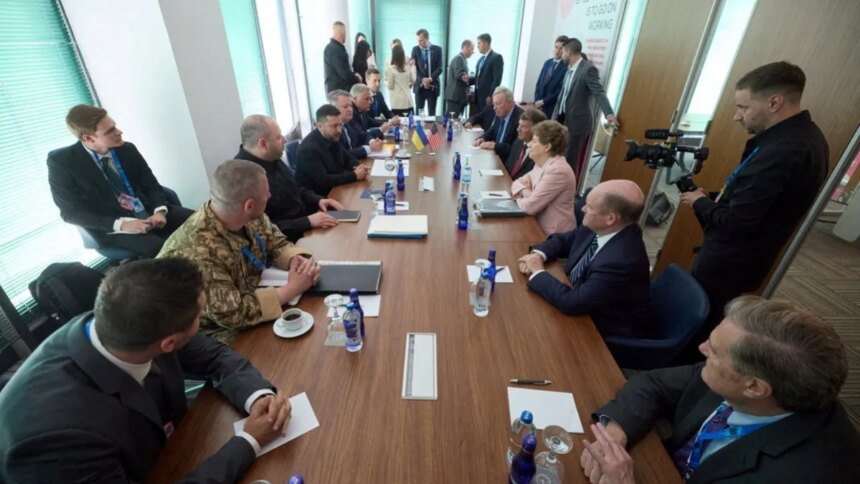
Today, Wednesday, the 36th summit of the North Atlantic Treaty Organization (NATO) will be held in the Turkish capital, Ankara, at a defense industries forum, with increasing American pressure on the alliance countries to bear a greater share of the cost of common defense, and to achieve a clearer balance in sharing burdens among members.