


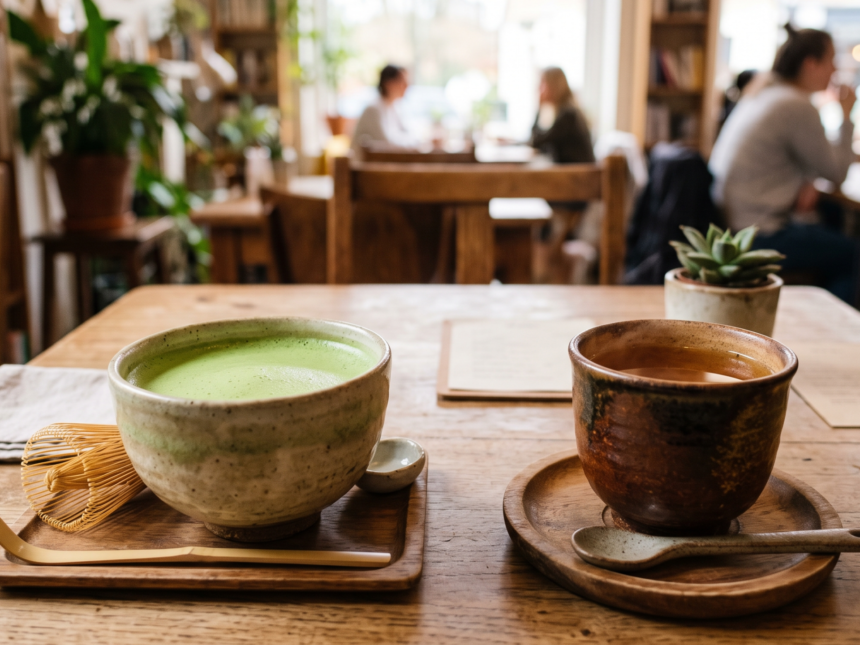
In recent years, matcha has become one of the most prominent drinks associated with a healthy lifestyle. While it hogs the spotlight, another Japanese competitor is quietly making its way into the world of modern drinks: hojicha, a roasted green tea that appeals to those looking for warmer, more subdued flavours.
Although it does not yet enjoy the global fame that matcha has achieved, food and beverage experts consider it one of the most prominent emerging trends in the world of tea, especially with increasing consumer interest in drinks that combine a distinctive taste, health benefits, and lower levels of caffeine.
Read also
list of 4 itemsend of list
What is hojicha?
Hojicha belongs to the Japanese green tea family, and is made from tea leaves and sometimes from stems and branches that are roasted at high temperatures after processing. This method appeared in Japan during the 1920s, when tea producers sought to take advantage of different parts of the plant and give them a new and distinctive flavour.
During roasting, the characteristics of the tea change clearly, as the color of the leaves turns from green to reddish-brown, and aromatic compounds develop that give it a scent closer to light coffee or roasted nuts, which are characteristics that make it completely different from most traditional types of green tea.
How is it different from matcha?
What gives hojicha its distinctive character is the roasting stage that sets it apart from most other green teas. After processing the leaves, the leaves and stems are roasted at temperatures ranging between approximately 160 and 200 degrees Celsius, in a process somewhat similar to roasting coffee, which leads to visible changes in color, flavor and composition.
During this process the grassy flavors and bitterness associated with green tea and matcha recede, replaced by warmer, smoother flavors with hints of toast, nuts and cocoa.
Although hojicha and matcha come from the same plant, matcha is made from leaves grown in the shade and then ground into a fine powder, while hojicha relies on roasting the leaves first, whether it is served as leaves soaked in water or as a powder used in drinks and desserts.
The roasting process also reduces its caffeine content compared to matcha, making it a preferred choice for those looking for a calmer drink that has less sleep-inducing effects.
How does it affect sleep?
One of the main reasons for the growing interest in hojicha is its low caffeine content compared to coffee and matcha. This is due to two main factors:
- The roasting process is at high temperatures, which reduces part of the caffeine content.
- Use more mature leaves that are naturally less dense.
As a result, hojicha provides a calmer experience that is suitable for people who are sensitive to caffeine or looking for a drink that can be consumed later in the day.
Its appeal does not stop there, as the roasting process gives it a warm and comforting scent that many people associate with a feeling of relaxation. It also naturally contains the compound “L-theanine,” known for its role in promoting mental calm and reducing stress, which makes it an option that combines a distinctive taste with a feeling of comfort.
Health benefits that withstand heat
Some may wonder whether the process of roasting tea reduces its nutritional value, but recent scientific evidence suggests otherwise.
A study published in 2025 in the journal Foods, which relied on simulating digestion in the laboratory, found that more than half of the polyphenols in hojicha – which are antioxidant and anti-inflammatory plant compounds – remain stable during passage in the digestive system, with about 31% of their antioxidant activity retained. This means that a significant portion of its vital properties actually reaches the body and is benefited from.
In addition, hojicha contains compounds such as pyrazines that contribute to improving blood circulation, reducing feelings of fatigue and promoting relaxation.
Since this tea has a lower caffeine content compared to other types of green tea, it is a suitable choice for those who prefer to reduce stimulants or suffer from sensitivity to them, especially since excessive caffeine may be associated with increased anxiety and sleep disorders in some individuals.
However, hojicha remains a drink that supports health within a balanced lifestyle, and is not an independent medical treatment or a substitute for proper nutrition.
Why is there more talk about it now?
The rise of hojicha is linked to several interrelated factors, the most prominent of which is that many consumers feel satisfied with matcha’s dominance in the health drinks market, and are looking for alternatives that provide a similar experience without the strong herbal taste or high stimulant effect.
Hojicha has a softer, warmer flavour, combining notes of roasted nuts, caramel and light chocolate with limited bitterness, making it closer – in some people’s sense – to light coffee in terms of depth, but without the intensity or high caffeine in it. This calm, sensual character helped spread it among those who do not prefer traditional green tea, in addition to its relaxing scent, especially in cold or evening climates.
Social media platforms also played a role in introducing it to a wider audience through recipes, drinks and sweets that exploit its distinctive brown colour. This comes within a broader trend towards “comfortable” drinks that enhance a feeling of warmth and calm, in parallel with the growing interest in mental health and sleep quality.
Will hojicha become the new matcha?
Matcha remains firmly established in global health culture with its strong presence and well-known benefits, while hojicha does not come as a direct competitor as much as it addresses a different taste among consumers.
It is suitable for those who find the taste of matcha too bitter, or are looking for a light evening drink that does not affect sleep, or prefer a warm experience closer to coffee without its stimulant effect, so it seems that each of them has its audience and characteristics.
It may be too early to say that hojicha will replace matcha, but what is certain is that it has transcended the limits of being a local tea in Japan, and has become present in several global markets, driven by changing tastes and the trend towards calmer, less caffeinated drinks, without compromising the pleasure of a daily ritual cup of tea.