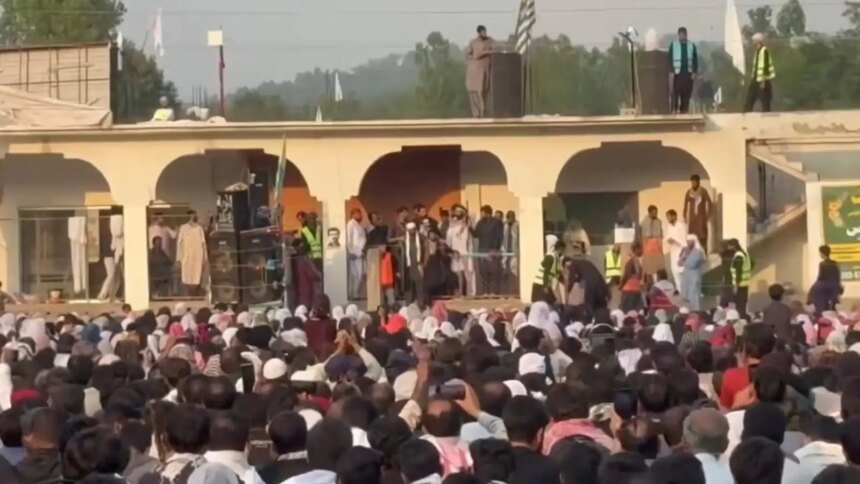
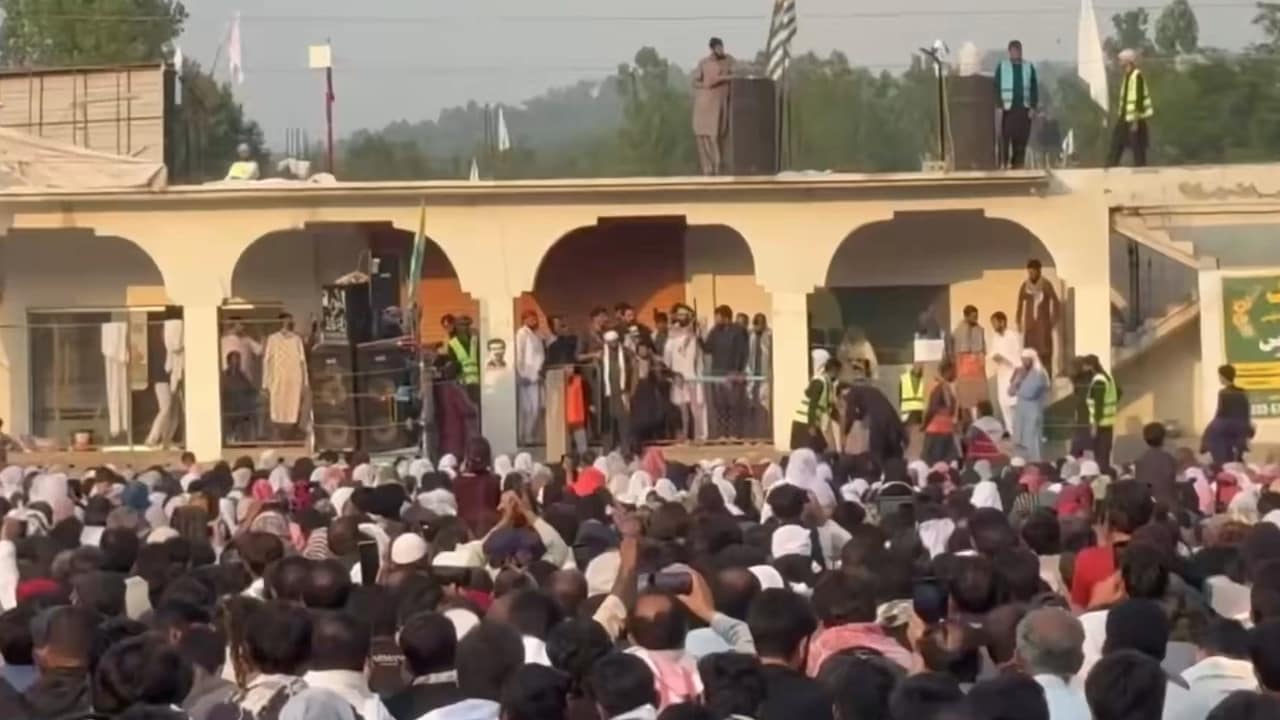
Thousands of protesters in Rawalakot, in Pakistan-administered Kashmir, voiced opposition to Islamabad’s control of the region as the demonstration entered its 22nd day on Tuesday.
During the demonstration at Eidgah Ground, speakers claimed that the region should no longer be considered under Pakistan’s control and warned about seeking stronger engagement with India.
The dissent was started to address long-standing concerns over governance, economic hardship, inflation, and what they describe as state repression and administrative neglect. The region is also facing an internet blackout since June 5 as authorities attempt to restrict communication and limit public awareness of the protests.
*RAWALAKOT ROARS:* “PoJK Is Not Part of Pakistan” Thousands defy Islamabad. Sit-in at LoC since 9 June. Aman Khan: “If Pakistan blocks food, PoK’s borders could open. Islamabad will beg PoK to stay.” @CMShehbaz oppression has consequences.
@UN @POTUS @narendramodi… pic.twitter.com/GhI0XWjwDk— 🇮🇳Bhartiyavibhooti🇮🇳 (@Bhartiyavibhoti) June 30, 2026
The protest is led by local figures, including civil rights activist Sardar Aman Khan, and gained more momentum after Pakistani authorities imposed a two-week blockade on food supplies and other essential goods.
In his address, Khan said that Pakistan-administered Kashmir was not part of Pakistan and claimed that Pakistan needed the region more than they depended on Pakistan.
Now, since June 9, a separate sit-in has been underway near the Line of Control (LoC). During one of the demonstrations, Khan told supporters that if the restrictions on food and other necessities continued, people in the region might look toward India for assistance.
Khan said that doing so would change the political dynamics of the region and put pressure on Islamabad.
In one of the videos, people of Pakistan-administered Kashmir have declared that the region is not a part of Pakistan. The residents have rejected Pakistan Army Chief Asim Munir and said that they would not tolerate a dictator.
The protests are not limited to Pakistan-occupied Kashmir, and supporters living abroad have organised demonstrations outside Pakistani diplomatic missions in several countries.
Protest leaders maintain that their campaign will continue until their political objectives regarding Muzaffarabad and the wider region are achieved.